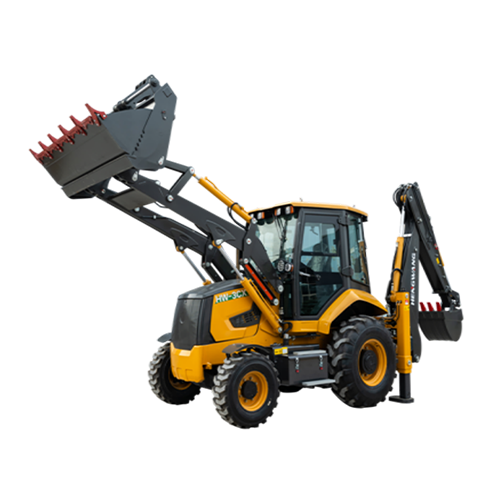
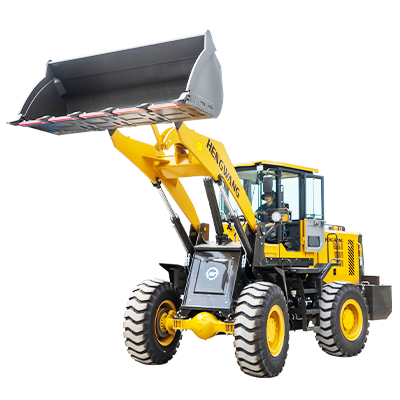
High summer temperatures pose severe challenges to the performance and component lifespan of loaders. Understanding vulnerable parts and implementing protection measures are key to ensuring operational safety. Below is an analysis of core vulnerable components of loaders in high-temperature conditions:
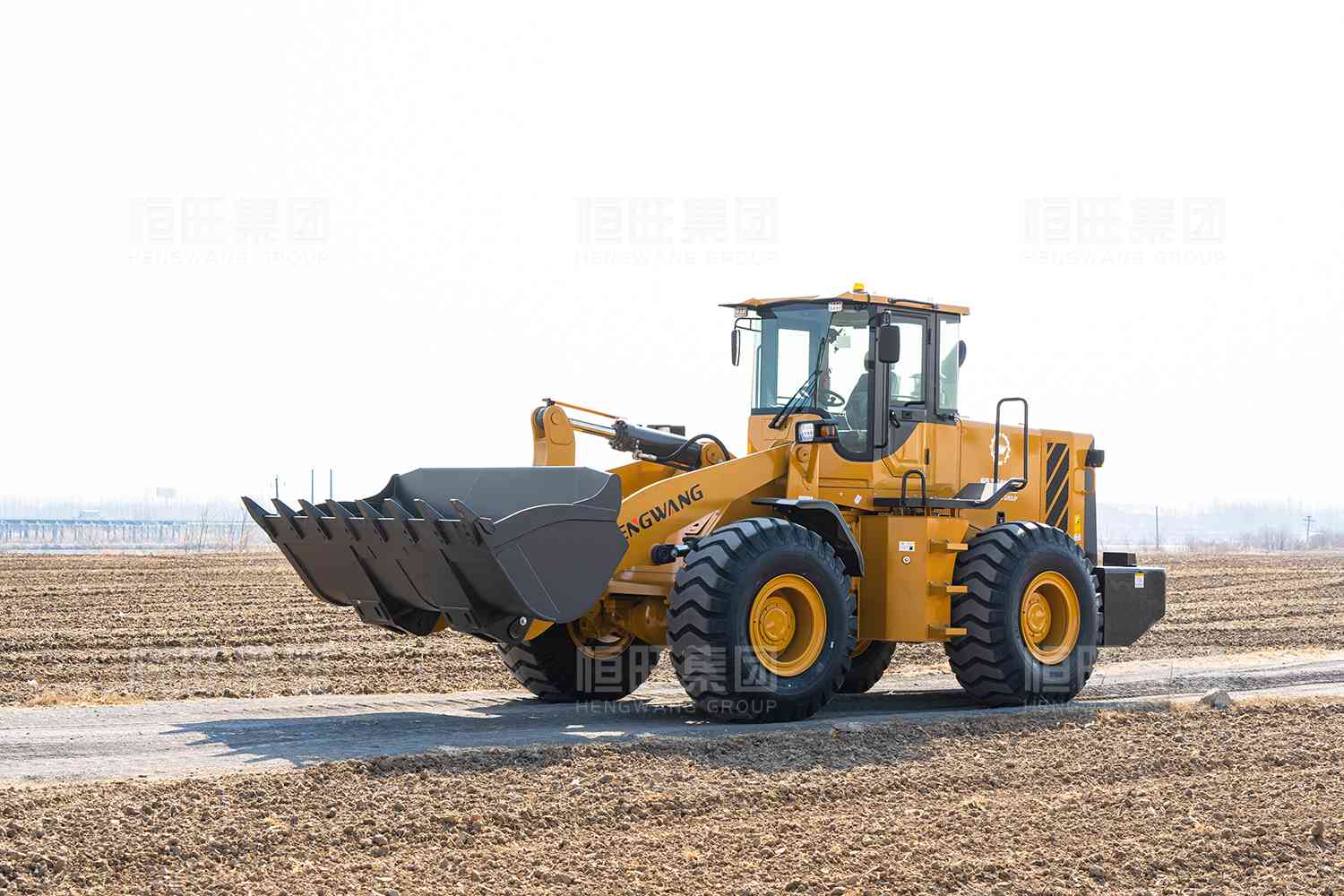
I. Loader Tires
High temperatures cause a sharp increase in tire air pressure of loaders, reducing tread rubber strength and significantly increasing the risk of tire blowouts. Additionally, prolonged operation on scorching surfaces intensifies tire-ground friction, prone to tread wear and cord breakag. It is recommended to check tire pressure and wear before operation, avoiding high-speed driving on gravel or sharp-surface roads.
II. Cooling System Components
The loader's cooling system bears sharply increased load in high temperatures. Components like the water tank and radiator may fail due to overheating if heat dissipation is poor. Coolant evaporates faster under high temperatures; insufficient replenishment can cause components like the water pump and thermostat to fail due to dry running. Regularly clean debris from the radiator surface to ensure the cooling fan operates normally.
III. Hydraulic System Parts
High temperatures reduce the viscosity of loader hydraulic oil, causing increased internal pressure fluctuations, accelerated aging of hydraulic cylinder oil seals, and joint oil leakage. Excessively high hydraulic oil temperature also affects the working precision of direction valves and hydraulic pumps, potentially causing intensified component wear during long-term operation. Monitor the hydraulic oil temperature gauge during operation and stop to cool down when exceeding the warning value.
IV. Electrical System Components
Wires, plugs, and control modules of loaders are prone to insulation aging and circuit short circuits in high-temperature environments. The battery's electrolyte evaporates faster under high temperatures; failure to replenish in time may lead to plate sulfuration and failure. Regularly inspect the tightness of wiring harness connections to prevent electrical components from moisture and heat.
V. Core Engine Components
In high-temperature conditions, components like piston rings, valves, and cylinder liners of loader engines suffer significantly intensified wear due to reduced lubrication efficiency compared to normal temperatures. High combustion chamber temperatures may also cause valve sealing failure and piston scoring. Strictly replace engine oil according to the cycle, using summer-specific oil with a high viscosity index.
VI. Operation and Equipment Protection Suggestions
Conclusion: High summer temperatures threaten loader tires, cooling systems, hydraulic components, electrical parts, and engines. By strengthening component inspection, standardizing operation procedures, and selecting suitable equipment (e.g., air-conditioned loaders), the risk of equipment failure can be effectively reduced, ensuring construction efficiency and safety.